

.svg)
Whiteboards as Evidence: Collecting Miro and Visual Collaboration Data for Litigation
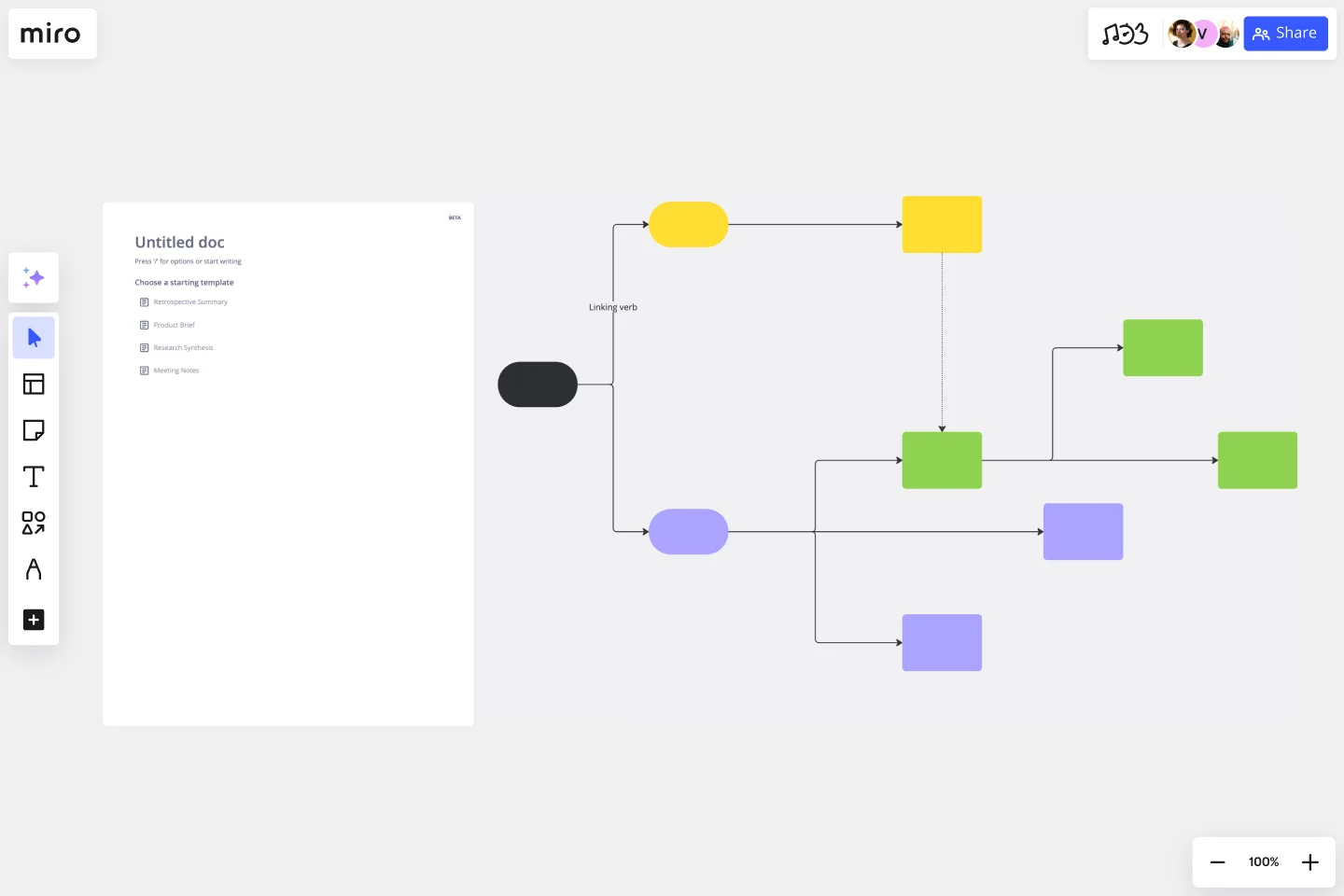

Most legal operations teams have a documented process for collecting email. Many have one for chat. Almost none have one for a whiteboard. That gap matters more than it used to. Visual collaboration tools have moved from a novelty used by design teams to a default workspace for planning, strategy, and product decisions, and Gartner now describes the category as a mature market that has entered mainstream adoption. The content sitting inside those boards, sticky notes documenting a pricing decision, a diagram mapping a product's development history, a comment thread debating a risk, is exactly the kind of material courts expect to see preserved. Most organizations simply have no defensible way to collect it.
Miro eDiscovery Collection, Defined
Miro eDiscovery collection is the process of identifying, preserving, and collecting content from Miro boards, including sticky notes, diagrams, embedded files, comments, and version history, in a defensible, audit-ready format for use in litigation, investigations, or regulatory response. Because Miro data is dynamic and editable in real time, collection must happen through a connector built for the platform rather than through manual export or screenshotting.
Why Whiteboards Have Become Discoverable Evidence
Visual collaboration boards are no longer scratch space. Teams use them to work through decisions that later become central to disputes:
- Sticky notes and comment threads documenting strategic or pricing decisions
- Diagrams and workflows that reveal the history of a product or process
- Embedded files and links containing intellectual property or personal data
- Timelines that show who knew what, and when
None of this is hypothetical. As boards fill with customer data, roadmaps, and code snippets, security and legal teams are being asked to demonstrate that this content is governed with the same rigor as any other business record, not treated as informal or out of scope.
The Governance Gap Between Creation and Preservation
The problem is not that legal and compliance teams don't understand whiteboards are relevant. It's that most organizations have no infrastructure to reach that data once a hold is triggered. IT owns the Miro license. Legal owns the preservation obligation. Neither typically has a tool that connects the two.
This is part of a broader shift in how discovery has to work. As data volumes have exploded, the old approach of collecting everything downstream and sorting it out later has become unworkable. EDRM has argued that discovery needs to move upstream, toward early identification and preservation in place rather than waiting until litigation is underway to locate the relevant data. Whiteboards sit outside that upstream visibility for most legal teams today.
What Makes Whiteboard Data Different From Documents
It's Dynamic, Not Static
A Miro board isn't a fixed file. It changes continuously as teams add, move, and delete content, which means preservation has to be ongoing rather than a one-time export.
It Carries Embedded and Linked Material
Boards frequently contain embedded documents, images, and links out to other systems. A defensible collection has to capture that context, not just the visible canvas.
It Has No Native Legal Hold Mechanism
Unlike email or a document management system, most collaboration platforms were not built with legal hold or eDiscovery workflows in mind. Preservation depends on whether the organization has connected a collection tool at all.
Courts Are Already Paying Attention
Judicial scrutiny of collaboration and AI-generated content is not a future risk. Reviewing over 5,000 rulings, eDiscovery Assistant's 2024 Case Law Year in Review, as covered by eDiscovery Today, found that courts issued their first rulings on the discoverability of generative AI content, while sharpening expectations around collaboration platforms and modern attachments. The tools where work happens, not just where it gets filed, are increasingly where discovery disputes originate.
What a Defensible Miro Collection Workflow Requires
An effective approach to visual collaboration data treats it the same way legal teams already treat email or chat: identifiable, preservable, and searchable without depending on the tool's own interface. In practice, that means:
- No-code collection that lets legal and compliance teams collect Miro data directly, without waiting on an IT ticket to move faster on litigation holds and investigations
- Targeted culling so teams can scope collection to specific boards or custodians, keeping volumes and review costs manageable
- In-place, continuous preservation so entire Miro instances stay defensible and audit-ready as content is added or changed
- Unified visibility that puts Miro data alongside other collaboration sources, such as Slack, Microsoft Teams, and Google Workspace, in one searchable location
Onna now collects and analyzes Miro whiteboards as part of its broader connector library, and the underlying integration was built specifically to address this gap. As detailed in the announcement of the industry-first eDiscovery collection tool for Miro, the connector is designed to capture boards defensibly while giving legal teams a single point of search across the rest of their collaboration stack.
Building an AI-Ready Collaboration Data Strategy
Miro is one connector in a wider pattern. As teams increasingly use AI features inside their workspaces, whiteboards, chat tools, and generative platforms alike, the content those tools produce needs the same governance treatment. Onna's approach to collecting AI-generated content for legal review reflects that same logic applied more broadly, and the full connector library gives information governance leaders a way to map coverage across the tools their organization already uses before a matter forces the question.
For legal operations and IT leaders, the practical takeaway is straightforward: audit which collaboration platforms are in active use across the organization, and confirm whether each one has a defensible collection path today. Waiting until a hold notice goes out is the most expensive time to find that gap.
Get Whiteboard Data Under Control Before It Becomes a Problem
Visual collaboration platforms are not going away, and the content inside them is only becoming more central to how decisions get made and documented. Organizations that build a defensible collection path now avoid scrambling to explain a governance gap during a live matter. If your team needs a clearer picture of what's collectible across your collaboration stack, see how Onna's Miro connector works, or get in touch with the Onna team to talk through your specific environment.
Subscribe to our newsletter
Get Complete Visibility into Your Unstructured Data, Today
Complete initial setup and first collection in one business day. No lengthy implementations. No IT backlog. Just full visibility into your collaboration data when you need it most.